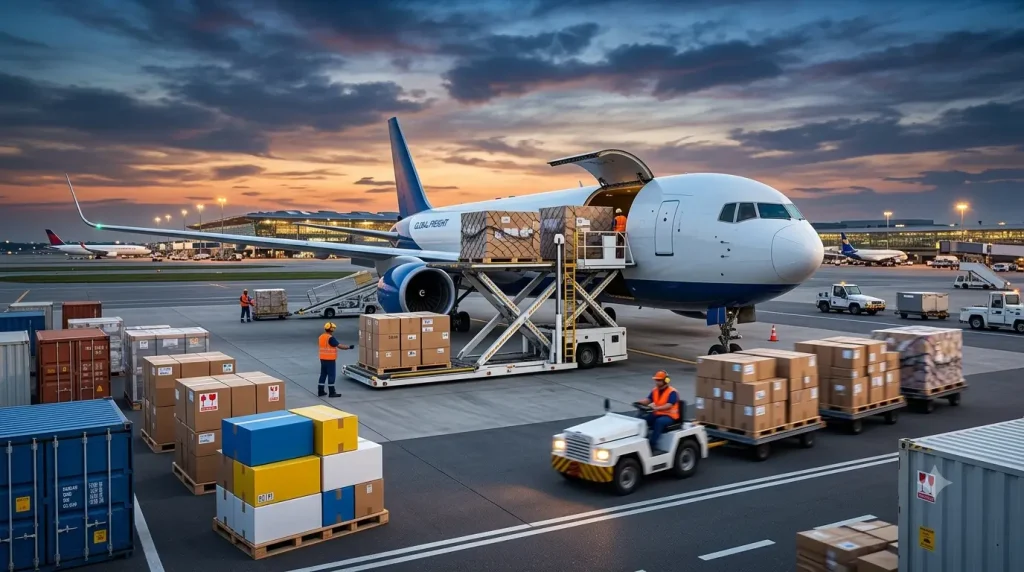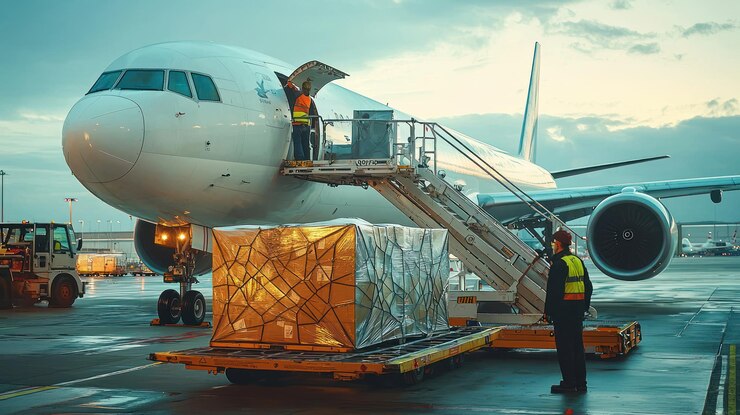

Not everything can be shipped by air, and even items that are allowed often come with strict rules around how they’re packed, labeled, and declared. For businesses shipping batteries, chemicals, cosmetics, or specialized equipment internationally, understanding what counts as a dangerous or restricted good is essential, not just to avoid delays, but to avoid having a shipment refused entirely.
This guide covers the basics of how dangerous and restricted goods are classified for air freight, what generally requires special handling, and how to avoid the most common compliance mistakes.
What Counts as Dangerous Goods?
In air freight, dangerous goods refer to any item that could pose a risk to the aircraft, crew, or other cargo during transport. This is a broader category than most people expect. It’s not just obvious hazards like explosives or flammable liquids.
Under international air transport regulations, dangerous goods are grouped into several recognized classes, including:
- Explosives
- Gases (flammable, non-flammable, or toxic)
- Flammable liquids
- Flammable solids
- Oxidizing substances and organic peroxides
- Toxic and infectious substances
- Radioactive material
- Corrosives
- Miscellaneous dangerous items, which includes things like lithium batteries, magnetized material, and certain consumer goods
That last category catches a lot of businesses off guard. Everyday items like lithium batteries, power banks, aerosols, perfumes, and even some cosmetics can fall under dangerous goods regulations depending on their chemical composition and quantity.
Why This Matters More Than People Realize
Shipping dangerous goods incorrectly isn’t just a compliance issue. It creates real safety risk during transport, which is why airlines, regulators, and customs authorities enforce these rules strictly. Misdeclared or improperly packed dangerous goods can result in:
- Shipments being held or refused at the airport
- Fines or penalties for the shipper
- Delays affecting the rest of a business’s supply chain
- In serious cases, legal liability if a misdeclared shipment causes an incident
This is why “it’s probably fine” is not a safe approach when it comes to anything that might fall under dangerous goods classification.
What’s Generally Restricted or Requires Special Approval
While specific rules vary by country, airline, and exact product composition, categories that commonly require special handling, documentation, or are restricted altogether include:
- Lithium batteries and battery-powered devices, which have specific packaging and labeling requirements depending on battery type and size
- Aerosols and pressurized containers
- Certain chemicals and industrial substances
- Perfumes and alcohol-based cosmetics, due to flammability classifications
- Medical or biological samples
- Magnetized materials, which can interfere with aircraft instruments
Some items aren’t banned outright but require the shipper to declare them properly, use approved packaging, and provide documentation confirming the goods meet safety requirements before they’ll be accepted for transport.
How Businesses Can Stay Compliant
1. Confirm Classification Before Booking
Before shipping, check whether your product falls under a regulated category. This is especially important for products containing batteries, chemicals, or pressurized components, since classification isn’t always obvious from the product description alone.
2. Work With a Freight Partner Who Understands Dangerous Goods Regulations
Dangerous goods rules are detailed and can change based on destination, airline, and packaging type. Rather than trying to navigate this alone, working with a provider experienced in dangerous goods compliance reduces the risk of a shipment being delayed or rejected. Our guide on what freight forwarding actually involves covers how a forwarder supports this kind of compliance as part of the wider shipping process.
3. Get Documentation Right the First Time
Dangerous goods shipments typically require specific declarations and certifications alongside standard paperwork. Missing or incomplete documentation is one of the most common reasons these shipments get delayed. This connects to the same principle covered in our guide to commercial invoices and packing lists, where accuracy upfront prevents costly delays later.
4. Don’t Assume Sea Freight Rules Are the Same
Some goods restricted by air may be shippable by sea, and vice versa. If a product is heavily regulated for air transport, it’s worth checking whether sea freight services offer a more practical alternative for that specific shipment.
5. When in Doubt, Ask Before Shipping
If you’re unsure whether a product qualifies as dangerous or restricted goods, confirming with your logistics provider before booking is far cheaper and faster than dealing with a shipment held at the airport.
What This Means for Businesses Shipping Internationally
For most standard commercial shipments, dangerous goods rules won’t apply at all. But for businesses in categories like electronics, cosmetics, health and wellness products, or industrial equipment, understanding these classifications upfront is part of shipping responsibly and avoiding unnecessary delays.
The Bottom Line
Shipping dangerous or restricted goods by air isn’t about avoiding certain products altogether. It’s about knowing what classification your goods fall under, providing the right documentation, and working with a logistics partner who understands the compliance requirements involved. Getting this right the first time protects your shipment, your timeline, and your business.
Postkodes’ air freight services include guidance on compliance requirements for regulated goods, helping businesses ship confidently without the guesswork.
FAQs
Can lithium batteries be shipped by air?
In many cases yes, but they require specific packaging, labeling, and quantity limits depending on the battery type. Rules vary by airline and destination, so it’s important to confirm requirements before shipping.
What happens if dangerous goods aren’t declared properly?
Shipments can be held, refused, or subject to fines, and in serious cases, the shipper may face legal liability if the goods pose a safety risk during transport.
Are cosmetics considered dangerous goods?
Some are, particularly alcohol-based perfumes and aerosol products, due to flammability classifications. Not all cosmetics fall under this category, so it depends on the specific product.
Is it easier to ship restricted goods by sea instead of air?
Sometimes. Certain items restricted or heavily regulated for air transport may have fewer restrictions by sea, though this depends on the specific product and destination country’s import regulations.