In today’s global supply chain, customers no longer accept uncertainty. Whether they are receiving a personal package, importing goods from overseas, or managing high-volume B2B shipments, they expect complete visibility throughout the delivery cycle. This is where Worldwide Courier Tracking becomes an essential foundation for modern logistics. It not only allows customers to know where their shipment is at any time but also helps businesses streamline their operational workflows, reduce delivery risks, and improve service reliability.
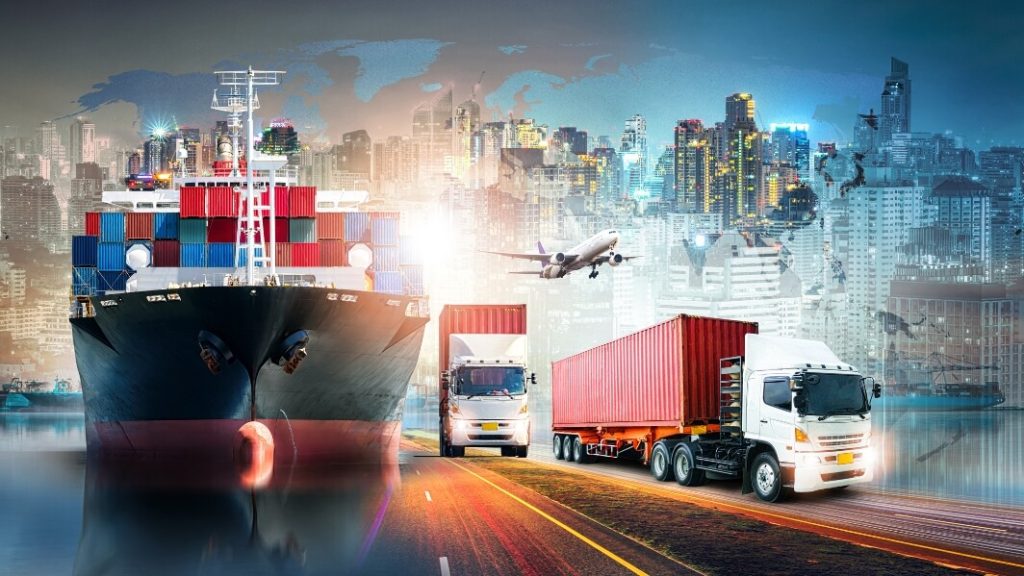
As eCommerce grows, logistics networks become faster, smarter, and more interconnected. Businesses now rely on a combination of Parcel Pickup Service, Global Parcel Tracking, Parcel Delivery Service, and Cheap International Shipping to stay competitive. Combined with freight solutions such as air freight, sea freight, road freight, and professional errand services, worldwide courier tracking becomes the central system that holds everything together.
This article breaks down everything you need to know — how worldwide tracking works, its technologies, its benefits, and how service providers like Postkodes empower businesses with complete tracking intelligence.
Why Worldwide Courier Tracking Matters
In earlier logistics systems, customers often had to wait blindly for shipments to arrive. Deliveries lacked transparency, delays were unpredictable, and businesses struggled to respond to customer inquiries. Today, worldwide courier tracking solves all these challenges by enabling complete real-time visibility at every transit point.
1. Rising Expectations in Global Commerce
Customers today expect the same level of speed and transparency whether they are buying from across the street or across continents. Real-time updates create trust and reduce anxiety. When people can monitor their packages on-demand, they feel in control — and that confidence translates into brand loyalty.
2. Business Efficiency and Reduced Operational Load
Businesses often spend thousands of hours responding to “Where is my parcel?” inquiries. Worldwide tracking drastically reduces this manual workload by giving customers automated, self-service visibility. With fewer escalations and support calls, companies can focus more on improving delivery operations.
3. More Control Over Time-Sensitive Shipments
For industries such as pharmaceuticals, perishables, electronics, and manufacturing, delivery timelines are extremely sensitive. Real-time Courier Tracking helps businesses detect early delays, reroute shipments if needed, and notify recipients instantly, preventing financial losses.
4. Enhanced Trust for Cross-Border Deliveries
International shipments usually pass through multiple carriers, customs authorities, ports, airports, and distribution hubs. Tracking milestones across borders help customers avoid confusion and businesses maintain credibility.
Worldwide courier tracking is no longer an additional feature — it is a fundamental requirement for modern supply chains.
How Worldwide Courier Tracking Works
Worldwide tracking involves a combination of technologies, logistics processes, data synchronization systems, and carrier collaborations. Here’s a detailed breakdown of how it functions:
1. Barcode & QR Code Scanning at Every Checkpoint
Once a package enters the logistics network, it is assigned a unique tracking number. This identifier is attached to a barcode or QR code, which is scanned at every major step:
- Pickup
- Sorting facility
- Airport / seaport outbound
- Customs clearance
- Destination country arrival
- Last-mile dispatch
- Final delivery
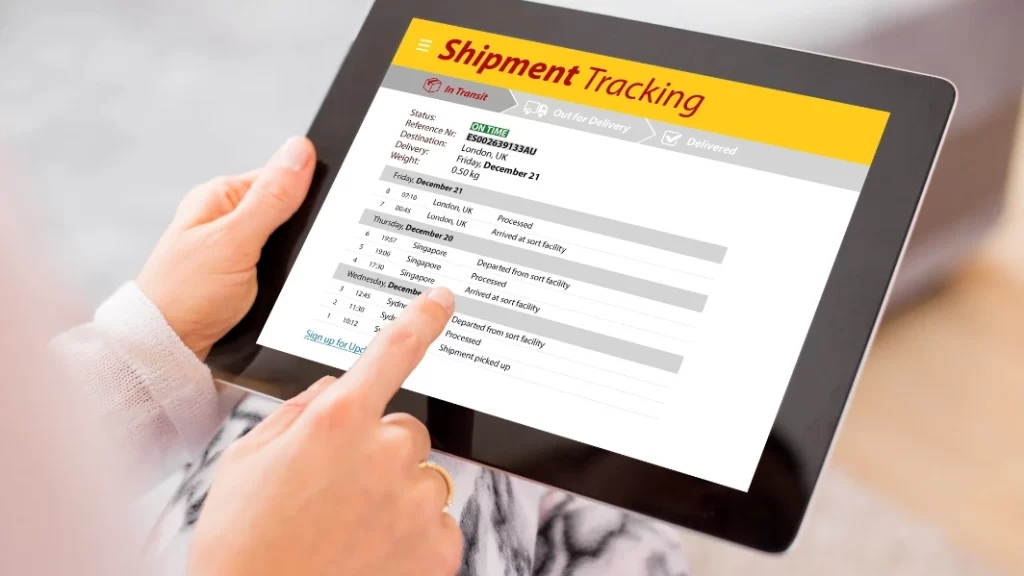
Each scan updates the tracking system, generating a real-time milestone for the customer to view.
2. GPS & Telematics Systems
For road freight or last-mile delivery, GPS tracking enables live location updates. Modern courier fleets use telematics tools that transmit:
- Vehicle location
- Route progress
- Speed and estimated arrival
- Possible delays due to traffic or weather
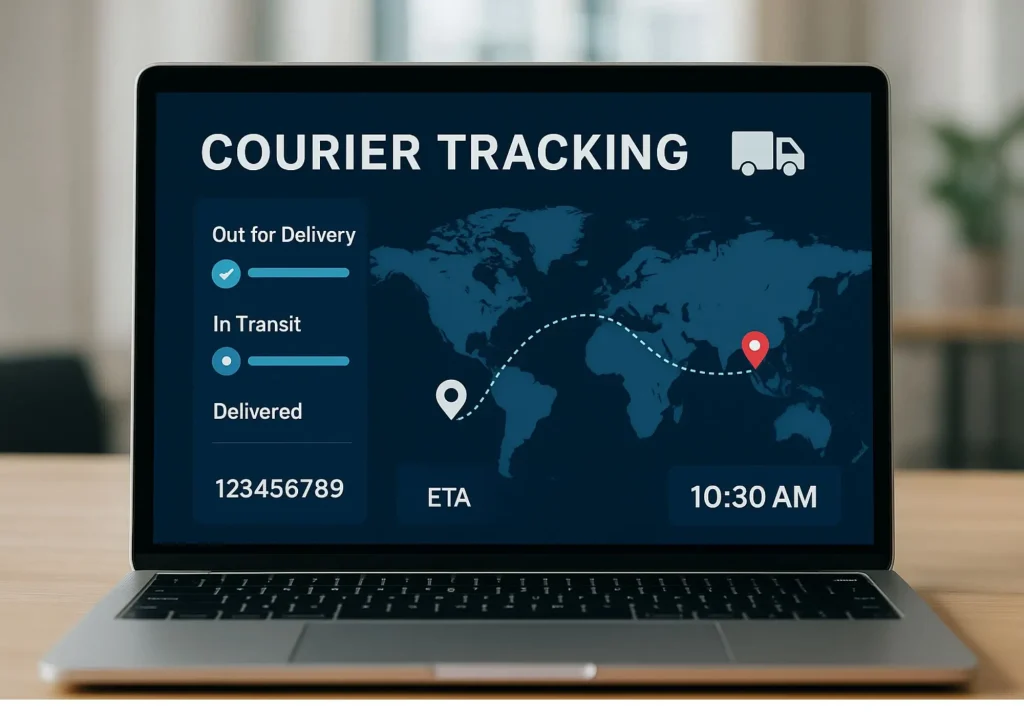
This information generates a “live map view” feature that many tracking systems offer.
3. API Integration Between Global Carriers
When a shipment moves between multiple courier companies, APIs (Application Programming Interfaces) synchronize their systems. This allows one tracking number to display events from multiple carriers.
For example:
Postkodes → DHL → Nigeria Postal Service → Final-mile courier
The customer sees a unified tracking history.
4. RFID & Smart Sensors for High-Value Cargo
For sensitive goods, RFID tags, temperature monitors, and tamper sensors provide extra visibility. These technologies transmit environmental data, ensuring goods remain safe throughout transit.
5. Cloud-Based Monitoring Platforms
Worldwide tracking systems operate on large cloud platforms that process millions of tracking scans in real-time. These platforms provide:
- Instant updates
- Predictive ETAs
- Automated delivery notifications
- Data security and global availability
Together, these processes create a seamless, real-time experience for customers and businesses.
Benefits of Worldwide Courier Tracking for Businesses & Customers
1. Fewer Delivery Complaints & Support Tickets
Many businesses report that 40–70% of support queries are related to delivery updates. Real-time tracking eliminates this burden, freeing teams to focus on operations rather than customer complaints.
2. Better Planning & Inventory Optimization
For businesses receiving international stock, visibility helps them prepare warehouse teams, schedule internal logistics, and plan inventory distribution.
3. Improved Customer Experience & Trust
When customers receive tracking updates such as:
- “Your parcel is out for delivery”
- “Your package has arrived in Lagos sorting center”
- “Shipment cleared customs”
Their trust and satisfaction increase significantly.
4. Reduced Losses & Delivery Risks
Tracking prevents package misplacement and provides clear evidence of each milestone. Businesses gain transparency that helps them identify bottlenecks and prevent recurring issues.
5. Faster Decision-Making During Delays
If a weather disruption or customs delay occurs, businesses can act quickly:
- Notify customers
- Adjust delivery timelines
- Reroute shipments
- Trigger backup carriers
Worldwide tracking turns unpredictability into controlled logistics management.
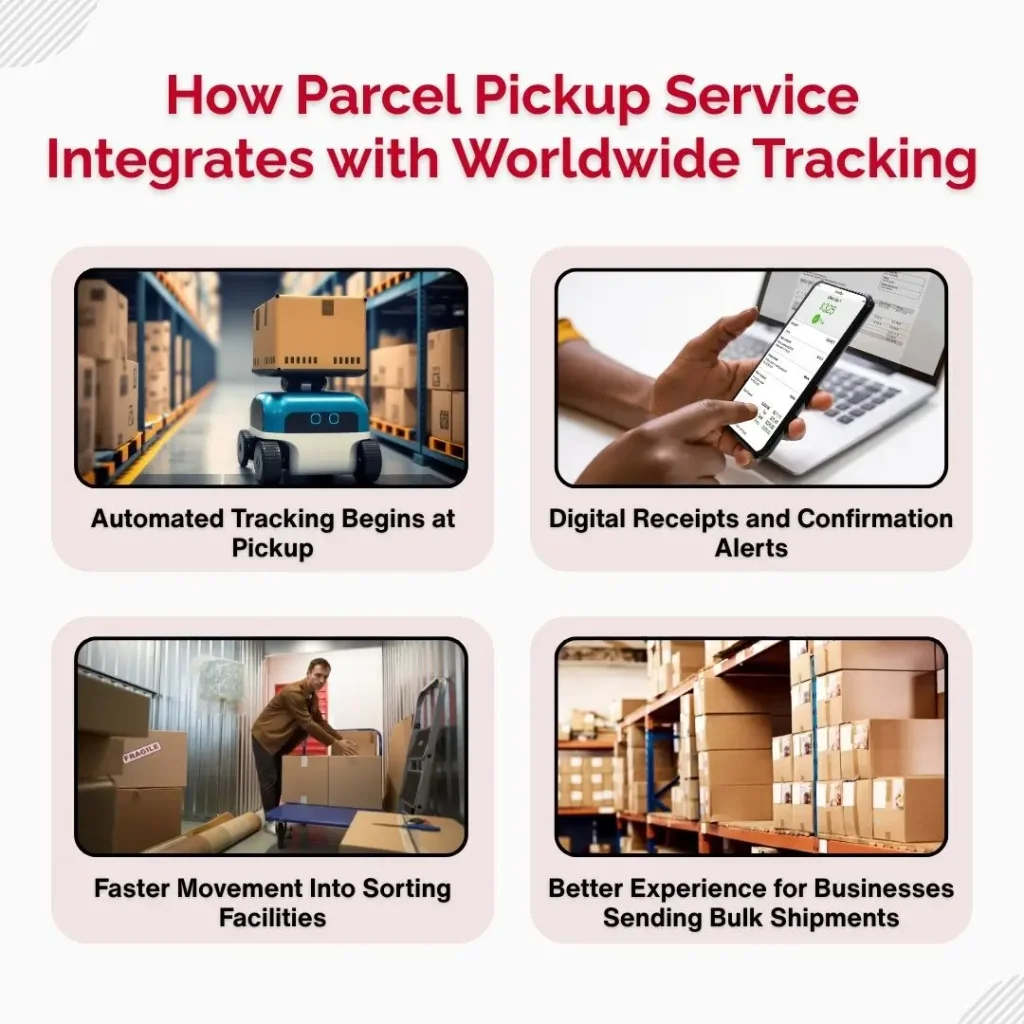
How Parcel Pickup Service Integrates with Worldwide Tracking
Parcel Pickup Service is often the first physical step in the logistics chain, but many customers underestimate its importance.
1. Automated Tracking Begins at Pickup
When a courier collects the parcel from the customer’s location, the first scan happens immediately. This records:
- “Parcel Pickup Completed”
- Time and date
- Assigned courier
- Starting location
This ensures instant visibility from the moment the parcel enters the network.
2. Digital Receipts and Confirmation Alerts
Customers receive a digital confirmation that their package is officially in transit. This eliminates uncertainty and prevents disputes.
3. Faster Movement Into Sorting Facilities
Pickup services are directly linked with the nearest sorting hubs. When optimized, they reduce delays and accelerate how quickly packages begin their journey.
4. Better Experience for Businesses Sending Bulk Shipments
Companies using pickup for dozens of daily shipments can avoid manual drop-offs, optimize workflow efficiency, and ensure smoother transitions into the tracking system.
Global Parcel Tracking in Modern Supply Chains
Modern supply chains rely heavily on Global Parcel Tracking to manage deliveries across continents.
1. Multi-Carrier Visibility Across Borders
Global Parcel Tracking shows progress even when a shipment moves between:
- Freight airlines
- Road carriers
- National postal services
- Private couriers
- Last-mile partners
Customers follow one tracking number instead of multiple fragmented ones.
2. Customs Clearance Transparency
International shipments often get stuck at customs. Tracking updates allow businesses and customers to see:
- When documents are needed
- When clearance is pending
- When duties are assessed
- When the parcel is released
This reduces stress and accelerates the process.
3. Centralized Tracking for Businesses
Companies shipping hundreds of orders per day need consolidated visibility. Global tracking platforms give them:
- Dashboard analytics
- Batch shipment monitoring
- Performance reports
- Delivery timelines
This data helps businesses optimize carriers, routes, and logistics partners.
The Role of Parcel Delivery Service in Cross-Border Shipping
Parcel Delivery Service completes the final stretch of the logistics chain — the last mile. This is often the most expensive and complex part of delivery.
1. Transition from International Carriers to Local Couriers
When parcels reach the destination country, they move from international freight carriers to local delivery partners. Tracking ensures seamless handovers with no data loss.
2. Recipient-Friendly Notifications
Customers receive updates such as:
- Out for delivery
- Delivery attempt
- Delivered successfully
This minimizes missed deliveries and improves satisfaction.
3. Route Optimization for Faster Delivery
Delivery teams use tracking technology to plan the most efficient routes, reducing delivery time and fuel consumption.
4. Increased Accountability & Proof of Delivery
Tracking provides:
- GPS-stamped delivery location
- Receiver’s name or signature
- Photo proof
This eliminates disputes and strengthens business credibility.
Cheap International Shipping Supported by Smart Tracking Technologies
Many businesses think Cheap International Shipping means lower quality. In reality, the secret is efficient tracking systems that reduce operational costs and accelerate delivery.
1. Predictive ETAs Enable Better Planning
Smart tracking algorithms analyze:
- Carrier speed
- Port congestion
- Customs clearance
- Weather
- Transport availability
This allows for accurate ETAs even on budget shipping options.
2. Consolidated Freight Reduces Costs
Tracking makes it possible to bundle shipments efficiently, lowering cost per parcel while maintaining visibility.
3. Reduced Customs Delays
With proper documentation updates in the tracking system, international shipping becomes smoother and more predictable.
4. Increased Transparency Without Paying Premium Prices
Customers still receive real-time tracking even on economical shipping plans, making cheap international shipping competitive with premium courier services.
How Postkodes Enhances Worldwide Courier Tracking With Modern Logistics Services
Postkodes offers a robust logistics ecosystem where Worldwide Courier Tracking integrates with multiple transport services, including:
1. Air Freight Services
Ideal for urgent shipments, air freight offers fast global movement. Postkodes supports tracking through:
- Airway bill updates
- Airport inbound/outbound scans
- Customs clearance visibility
- Estimated arrival times
2. Road Freight Services
Road freight is essential for cross-border African logistics. Tracking includes:
- Live GPS truck monitoring
- Transit hub updates
- Proof-of-delivery logs
3. Sea Freight Logistics
For large cargo, sea freight remains cost-effective. Tracking includes:
- Container loading updates
- Vessel departure/arrival reports
- Port clearance milestones
- Offloading confirmations
4. Errand & Delivery Services
Postkodes also provides local errand services for:
- Last-mile parcel delivery
- Same-day document handling
- Grocery pickups
- Parcel drop-offs
Tracking ensures customers know exactly when errands are completed.
Together, these services create a powerful logistics ecosystem backed by smart global tracking capabilities.
Conclusion
Worldwide Courier Tracking has redefined modern logistics. It empowers customers, strengthens business operations, and reduces uncertainties across international borders. With real-time updates, cross-border visibility, and smart technologies, both individuals and companies now enjoy faster, safer, and more predictable delivery experiences.
Postkodes supports this evolution with integrated services—including parcel pickup, global parcel tracking, parcel delivery solutions, air freight, road freight, sea freight, and professional errand services—ensuring every shipment is monitored from start to finish.
As global commerce expands, tracking will continue to be the core of next-generation logistics.
FAQ’s
1. What is Worldwide Courier Tracking?
Worldwide courier tracking allows customers to monitor shipments in real time across countries, carriers, and transit points, ensuring complete visibility from pickup to final delivery.
2. How does global parcel tracking improve delivery reliability?
It provides real-time updates, reduces lost packages, ensures smooth carrier handovers, and alerts customers about delays or customs clearance, improving overall delivery speed and accuracy.
3. Can I track international shipments with one tracking number?
Yes. Most courier systems use integrated APIs that unify updates from multiple carriers, allowing you to track cross-border parcels with a single tracking number.
4. What information does a tracking status show?
Tracking updates include pickup confirmation, transit scans, customs status, estimated delivery time, out-for-delivery alerts, and proof of delivery once the parcel arrives.
5. Does tracking work with cheap international shipping services?
Absolutely. Even low-cost international shipping offers full tracking visibility, helping customers monitor parcels without paying premium courier prices.
6. How does Postkodes support worldwide courier tracking?
Postkodes provides real-time tracking across air freight, sea freight, road transport, parcel delivery, and errand services, ensuring complete transparency throughout the shipping journey.