If you’ve ever needed to ship something internationally and someone mentioned “air cargo freight,” you’ve probably wondered what it actually means — and whether it’s the right choice for your shipment.
Air cargo freight is simply the movement of goods by aircraft rather than by ship or truck. But how it actually works, what it costs, and when it makes sense is where most people get confused. This guide breaks it down in plain terms, so you know exactly what you’re paying for and when to use it.
What Is Air Cargo Freight?
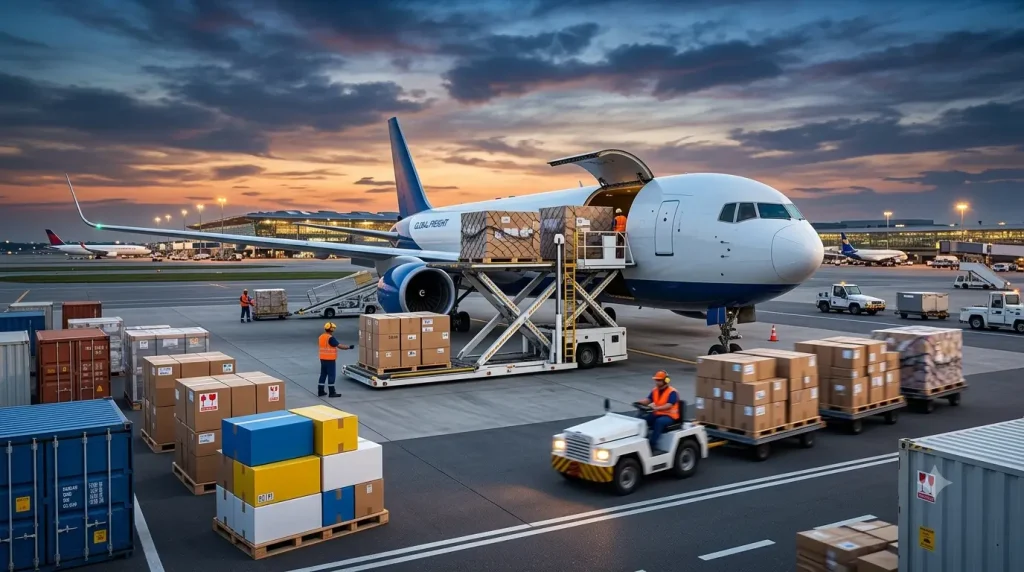
Air cargo freight refers to goods transported by air rather than passengers. It covers everything from small parcels and documents to pallets, machinery parts, and bulk commercial shipments — all moved via dedicated cargo aircraft or the cargo holds of passenger planes.
Unlike air express (which is usually built for very small, fast parcels), air cargo freight is designed to handle larger volumes and heavier loads, while still being significantly faster than sea freight.
How Air Cargo Freight Actually Works
Here’s what happens behind the scenes, step by step:
- Booking and documentation — Your shipment is booked with an airline or freight forwarder, along with commercial invoices, packing lists, and any required export/import paperwork.
- Pickup and consolidation — Goods are collected and taken to a cargo terminal, where they’re weighed, measured, and often consolidated with other shipments heading to the same destination.
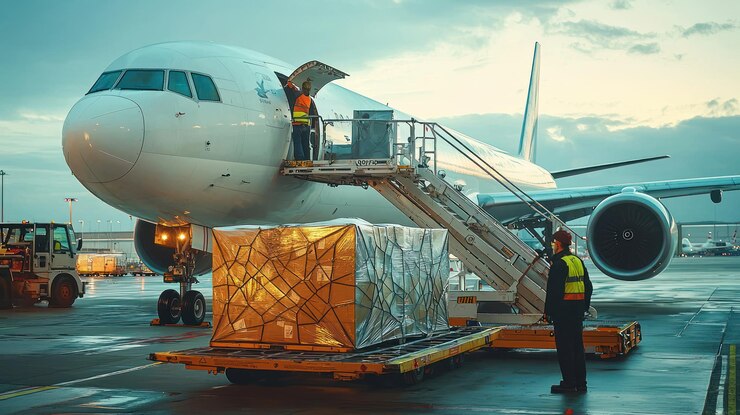
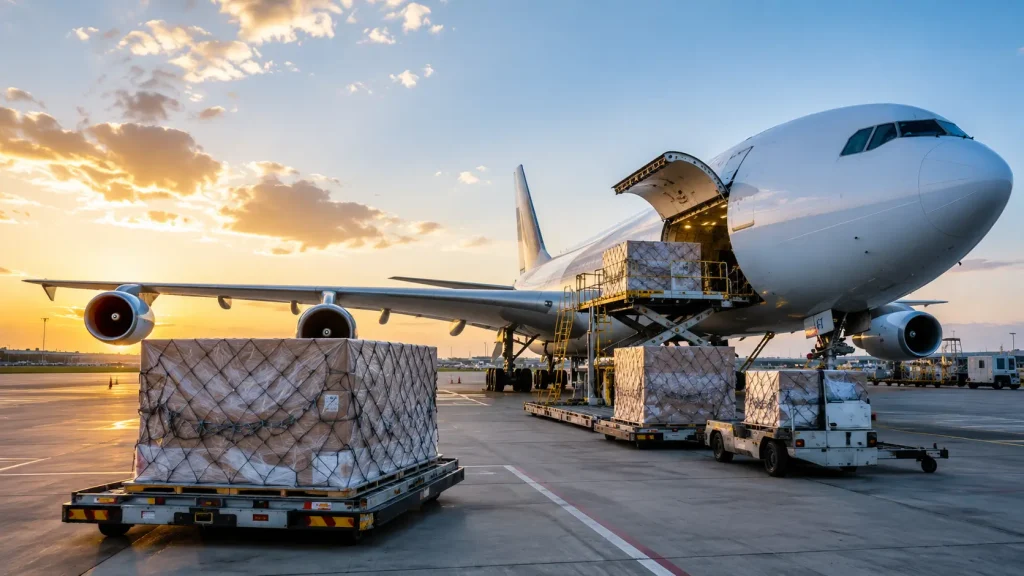
- Screening and loading — Cargo goes through security screening before being loaded onto the aircraft, either in dedicated freighter planes or the belly hold of passenger flights.
- Flight and transit — The shipment travels to the destination airport, sometimes with a transit stop depending on the route.
- Customs clearance — On arrival, the shipment clears customs, which requires accurate documentation to avoid delays.
- Final delivery — Depending on the service, cargo is either collected from the airport or delivered door-to-door.
This whole process typically takes a few days from pickup to delivery, compared to weeks for sea freight.
How Air Cargo Freight Is Priced
Air cargo pricing is based on weight or volumetric weight, whichever is greater. Volumetric weight accounts for how much space a shipment takes up, not just how heavy it is — so a large but light item (like packaging or furniture) may be charged based on size rather than actual weight.
Other factors that affect pricing include:
- Origin and destination airports
- Fuel surcharges and seasonal demand
- Type of goods (general cargo vs. fragile, hazardous, or perishable items)
- Whether it’s a direct flight or requires transit
- Additional services like customs clearance and door-to-door delivery
Because of this pricing structure, air cargo freight works best for shipments that are urgent or high-value, rather than large and heavy — where sea freight usually wins on cost.
When Should You Use Air Cargo Freight?
Air cargo freight makes the most sense when:
- Time matters more than cost. Business deadlines, restocking urgent inventory, or personal shipments that can’t wait weeks.
- The goods are high-value or fragile. Electronics, medical supplies, and sensitive equipment benefit from shorter transit times and reduced handling.
- You’re shipping perishables. Anything time-sensitive that would spoil or lose value over a multi-week sea journey.
- You need reliable, trackable delivery. Air cargo generally has more predictable schedules than sea freight, which can be affected by port congestion.
- The shipment is small to medium in size. Once volume gets very large, sea freight typically becomes more cost-effective.
If your shipment doesn’t fit these situations — for example, it’s bulky, non-urgent, and cost is your main priority — sea freight is usually the smarter choice.
Air Cargo Freight vs. Air Express: What’s the Difference?
These terms often get used interchangeably, but they’re not quite the same:
- Air express is built for speed on smaller parcels, often with next-day or guaranteed delivery windows, similar to courier services.
- Air cargo freight handles a broader range of shipment sizes, including bulk and commercial loads, and is generally more cost-effective for larger shipments than express services, while still being much faster than sea freight.
If you’re shipping a single small parcel urgently, express may suit you. If you’re shipping business inventory, equipment, or larger personal shipments, air cargo freight is typically the better fit.
The Bottom Line
Air cargo freight isn’t just “the fast option” — it’s a specific solution for shipments where speed, reliability, and condition matter more than shaving off cost per kilogram. Understanding how it’s priced and how the process works helps you avoid overpaying, or worse, choosing the wrong shipping method for goods that needed to arrive on time.
Whether you’re a business managing regular imports or an individual shipping something urgent, working with a provider that handles booking, customs, and delivery end-to-end takes the guesswork out of the process. Postkodes’ Air Freight Services cover everything from pickup to door-to-door delivery, with full customs support so your shipment moves without unnecessary delays.
FAQs
How long does air cargo freight take?
Typically 3–7 days door-to-door, depending on the route, customs clearance, and whether the flight is direct or requires a transit stop.
Is air cargo freight more expensive than sea freight?
Generally yes, per kilogram. But for urgent, high-value, or smaller shipments, air cargo freight can work out cheaper overall once you factor in storage costs and delays associated with sea freight.
What items are unsuitable for air cargo freight?
Very large, heavy, or bulk shipments — like full containers, vehicles, or large furniture — are usually more cost-effective to ship by sea freight instead.
Does air cargo freight include customs clearance?
It depends on the provider. Full-service providers handle customs clearance as part of the shipment, so you don’t have to manage documentation and duties separately.