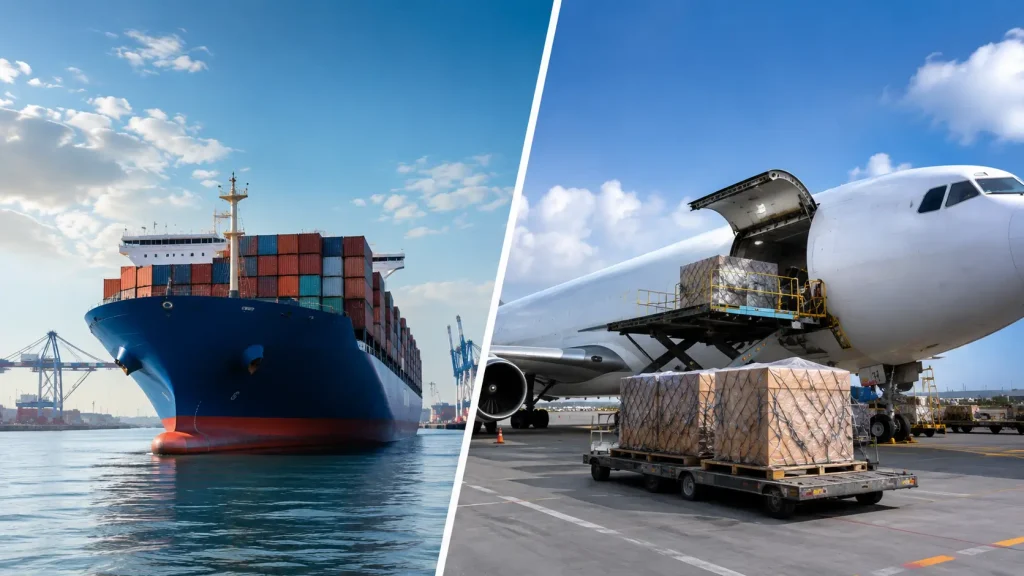

Pack goods in a box or crate rated for their weight, cushion them so nothing touches the sides, secure the load so it can’t shift, and use heat treated or ISPM 15 marked wood if you ship on a wooden pallet. Poor packing or securing causes about 65 percent of cargo damage claims, according to international freight insurer TT Club, so this step matters more than most shippers assume.
Why does packing matter so much for international shipping?
Because most cargo damage comes from packing, not from the journey itself. TT Club, an international freight insurer, found that poor packing or securing inside the container causes or worsens roughly 65 percent of cargo damage claims. That figure covers shifting loads, inadequate cushioning and weak boxes, not accidents or theft.
The further your cargo travels, and the more times it is handled, the more that packing is tested. A box that survives a short domestic trip can fail on a multi week sea voyage with several transfers between truck, port and ship.
What should you check before you start packing?
Start with three questions: how heavy is it, how fragile is it, and how is it travelling. The answers decide your box strength, your cushioning, and whether you need a pallet or crate.
- Weight and fragility decide the box grade and the amount of cushioning.
- Value decides whether you add extra protection, insurance, or both.
- Sea or air decides how much you need to plan for moisture and handling time.
- Shape decides whether a standard box works or you need a custom crate.
How do you choose the right box or crate?
Match the box to the weight, and use double or triple wall board once an item is heavy or fragile. DHL’s packing guidance recommends double or triple walled corrugated boxes for heavy or fragile items, since a single wall box can crush or split under stacking weight in a container or on a pallet.
For irregular shapes, very heavy items or high value goods, a wooden crate or custom foam insert gives more protection than a standard box. If your crate uses wood thicker than 6mm, it falls under the same ISPM 15 rule as pallets, covered below.
How do you cushion and secure items inside the box?
Fill every gap so nothing can move, and keep items off the box walls. DHL’s guidance is specific: the item should not touch the sides of the box, and the gap should be filled with cushioning material such as foam inserts, bubble wrap or air pillows.
A few practical rules:
- Heavier items go on the bottom, lighter items on top, inside the same box.
- Wrap fragile items individually before placing them together, so they can’t knock against each other.
- Use the fragile label where it applies, but don’t rely on the label alone to protect the contents.
- Seal boxes properly, since a weak seal can open under pressure from stacking.
How do you pack and secure a pallet?
Build the load within the pallet’s edges, distribute weight evenly, and strap it so it can’t shift. DHL’s pallet guidance says goods should never extend beyond the pallet edge, since overhang increases the risk of damage from forklifts and racking during handling.
A simple pallet packing sequence:
- Box your goods first, using double or triple wall boxes for heavy or fragile items.
- Stack with the heaviest boxes at the bottom and weight spread evenly across the pallet.
- Use tier sheets or slip sheets between layers to spread the load and add stability.
- Add dunnage, which is any material used to fill space and stop movement inside the load, such as foam, airbags or wooden bracing.
- Wrap and strap the load securely, then inspect the pallet itself for cracked boards or protruding nails before it ships.
What is ISPM 15 and does your wood packaging need it?
Yes, if you ship on a wooden pallet or crate internationally, it almost certainly does. ISPM 15 is an international standard that requires wood packaging material, including pallets, crates and dunnage, to be debarked and then heat treated or fumigated, and marked with an official stamp.
According to USDA APHIS, a valid mark includes the IPPC logo, a two letter country code, a facility number, and a treatment code, either HT for heat treatment or MB for methyl bromide. Wood packaging that doesn’t carry this mark risks rejection or being sent back at your cost, so check the stamp is present and legible before the shipment leaves.
Plastic pallets and pallets made from processed wood such as plywood or particle board are generally exempt from ISPM 15, since the treatment targets solid wood that can carry pests. If you’re unsure which applies, ask Postkodes before you book the shipment, since the rule applies at export and is checked at import.
How does packing for sea freight differ from packing for air freight?
Sea freight needs more protection against time, handling and moisture. Air freight generally needs less heavy packing, but still needs protection against drops and rough handling.
A sea freight shipment sits in a container for weeks, during which temperature swings can cause condensation, sometimes called container rain, as warm moist air inside the container meets cooler container walls. A corrosion protection industry report estimates 2 to 4 percent of ocean freight arrives damaged overall, with roughly 10 to 20 percent of that damage linked to humidity or condensation. Wooden pallets add to the moisture inside a container, since wood holds its own moisture content, which is one more reason to check pallet condition before loading.
For moisture sensitive cargo, consider desiccant bags inside the container or box, and keep goods off the container floor using pallets or dunnage rather than stacking directly on the floor.
Export.gov’s packing guidance notes that air shipments generally need less heavy packing than ocean shipments, since the trip is much shorter, though items still need protection against drops, stacking and handling at the airport.
What mistakes cause the most damage?
- Leaving gaps inside the box, so items shift and knock against each other or the walls.
- Using a single wall box for something heavy or fragile.
- Letting goods overhang the pallet edge, which exposes them to forklift and racking damage.
- Shipping on wood packaging without a valid ISPM 15 mark, risking rejection at the border.
- Ignoring moisture risk on long sea voyages, especially with wooden pallets or moisture sensitive goods.
- Mislabelling or under describing fragile or hazardous contents, which TT Club also lists as a contributing cause of cargo incidents.
How does packing affect your shipping documents?
Your packing list should describe exactly what’s inside each package, matching the commercial invoice and the transport document. Our guide to commercial invoices and packing lists covers what each should contain. A packing list that under describes contents, or doesn’t match what’s physically in the box, can also trigger a customs hold, separate from any damage risk.
Should you buy cargo insurance as well as packing well?
Yes. Good packing lowers your risk, but it doesn’t remove it. Damage can still happen from events outside your control, such as a dropped pallet, a rough sea, or a container stack shifting. Ask Postkodes what cargo insurance options are available for your shipment, and check what it covers before you rely on it.
Frequently asked questions
How much cargo damage is actually caused by poor packing?
International freight insurer TT Club found that roughly 65 percent of cargo damage claims are caused or made worse by poor packing or securing inside the container. That makes packing the single biggest factor shippers can control.
Do I need ISPM 15 treated wood for every international shipment?
Only if your pallet, crate or dunnage is solid wood over 6mm thick. Plastic pallets and processed wood such as plywood are generally exempt. If you use solid wood, check for a visible ISPM 15 mark showing the IPPC logo, country code, facility number and treatment type before you ship.
How do I protect goods from moisture damage during sea freight?
Keep goods off the container floor, check wooden pallets are dry and in good condition, and consider desiccant bags for moisture sensitive cargo. Temperature swings during a multi week voyage cause condensation inside containers, which is a known cause of cargo damage on long sea routes.
Is air freight packing different from sea freight packing?
Air freight generally needs less heavy packing since the trip is much shorter, but items still need protection from drops and handling. Sea freight needs stronger boxes, more cushioning, and attention to moisture, since cargo spends far longer in transit with more handling points.
What is dunnage and do I need it?
Dunnage is material used to fill empty space and stop cargo from moving inside a pallet, crate or container. It includes foam, airbags and wooden bracing, and it reduces the shifting that causes much of the packing related damage insurers report.
Does good packing replace the need for cargo insurance?
No. Good packing reduces your risk, but damage can still happen from events outside your control. Ask Postkodes what cargo insurance covers for your shipment, and treat packing and insurance as two separate layers of protection, not substitutes for each other.
What should you do next?
Match your box or crate to the weight and fragility of your goods, cushion so nothing touches the sides, secure any pallet load within its edges, and confirm any wood packaging carries a valid ISPM 15 mark before it ships.
When you’re ready to book, request an estimate through Postkodes’ Quick Quote page, and ask about cargo insurance options for your shipment alongside your packing plan.